


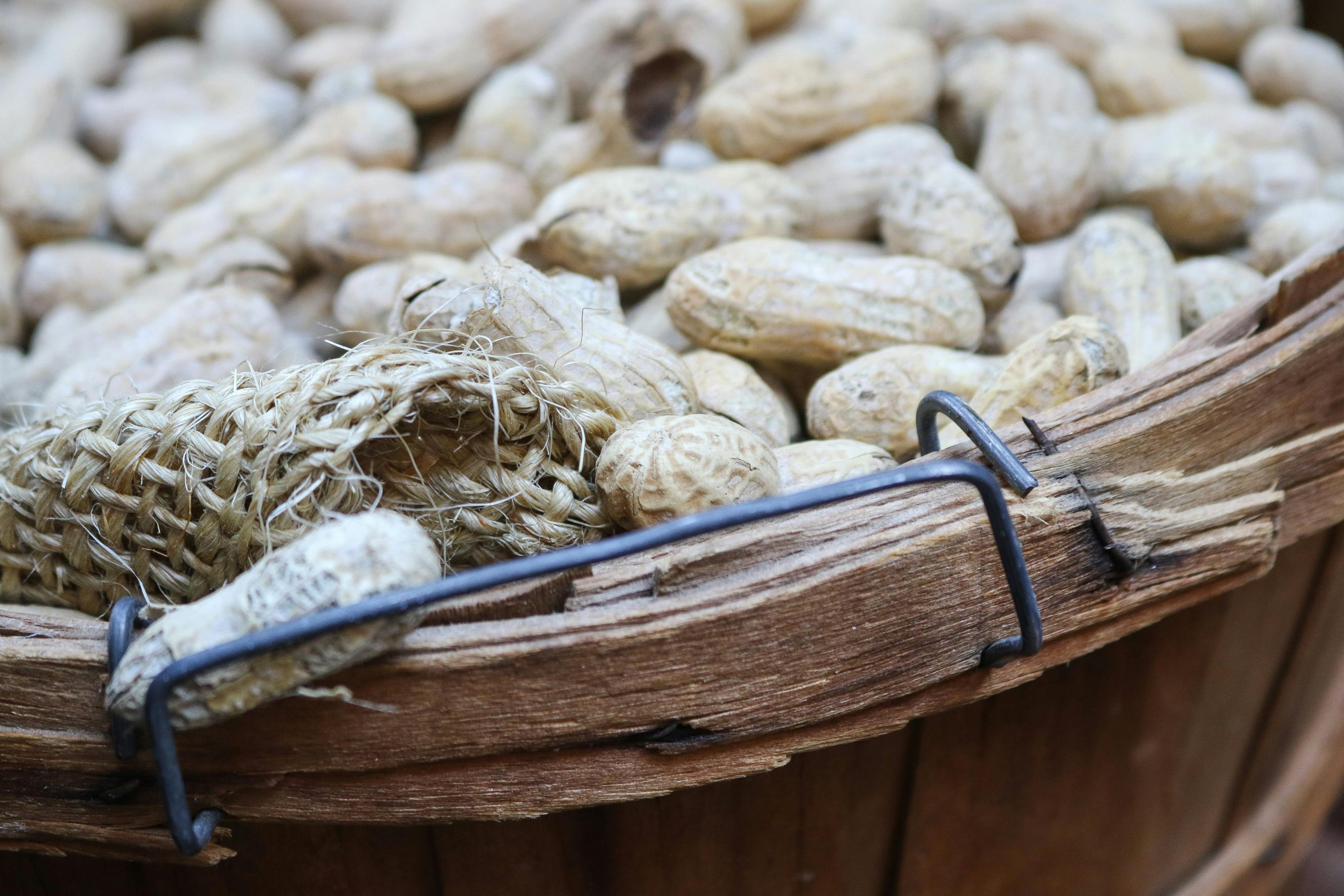
Pakistani farmers in Lahore, the capital city of Punjab province, have received a boost in their agricultural endeavors with the introduction of special peanut seeds from Weifang city in China’s Shandong province. These seeds, part of a collaborative breeding project between China and Pakistan, are heralding a new era of productivity and cooperation in the region.
As the peanut sowing season commences, personnel from both nations engage in frequent communication and collaboration. Through online meetings, Chinese technicians provide valuable insights into peanut growth and field management to Pakistani farmers.
“China’s provision of high-quality seeds has been instrumental in our agricultural success. Peanuts are thriving, and we plan to expand our planting areas in the future,” remarked local farmer Babar Abbas during an online meeting, showcasing the mutual enthusiasm and camaraderie between the two sides.
Initiated in 2016 by Shandong Rainbow Agricultural Technology Co. Ltd, the project has witnessed remarkable progress. After years of selective breeding, the company exported its first batch of original peanut seeds to Pakistan in 2023. These seeds have since been utilized for extensive planting in Punjab Province, covering an area of approximately 66 hectares.
“We have successfully introduced five new peanut varieties in Pakistan, boasting yields twice higher than local varieties. This achievement has garnered recognition from both the local government and farmers,” stated Fan Changcheng, vice general manager of the company. Plans are underway to expand trial planting areas to around 132 hectares this year.
Peanut cultivation holds significant economic potential for Pakistan, a nation heavily reliant on edible oil imports. China’s high-oleic peanut varieties, yielding about four tons per hectare, offer a promising avenue for cooperation between the two countries.
Imran Mehmood, a technical director at the Chinese company and a former student in China, underscores the historic friendship between Pakistan and China. “I aspire to be a bridge for this friendship, facilitating the transfer of advanced agricultural technologies from China to Pakistan,” he expressed.
The cooperative efforts extend beyond agriculture. Since the establishment of the China-Pakistan Agricultural Cooperation Center in Weifang in March 2023, numerous collaborative ventures have emerged, encompassing various agricultural domains such as peanut breeding, tissue culture, and pest control.
“Pakistan’s burgeoning population necessitates industrial upgrading. Through collaborative projects, we aim to bolster the agricultural sector’s entire industrial chain,” emphasized a Chinese manager.
As part of the China-Pakistan Economic Corridor (CPEC), agricultural cooperation signifies a pivotal component of the broader Belt and Road Initiative (BRI). Strengthening connectivity and socio-economic development, both nations have committed to enhancing collaboration in agriculture, technology exchange, and trade.
“The BRI represents a comprehensive effort to uplift Pakistan’s socio-economic landscape, spanning multiple sectors including energy, transportation, and agriculture,” highlighted Mehmood.
With China’s expertise in crop varieties and technologies complementing Pakistan’s abundant resources, agricultural cooperation between the two nations holds immense promise for mutual prosperity and development.